Diary Writing: A Handwritten Font for Authentic Connection
There's a particular quality to a personal note, a quick sketch in a margin, or a heartfelt message on a card. It feels immediate, human, and real. In a digital world saturated with clean, geometric sans serif fonts and predictable serif fonts, a touch of authenticity can cut through the noise. This is where a premium font like Diary Writing enters the conversation. It’s not just a collection of letters; it's a design asset crafted to evoke the charm and spontaneity of genuine handwriting.
The Personality on the Page
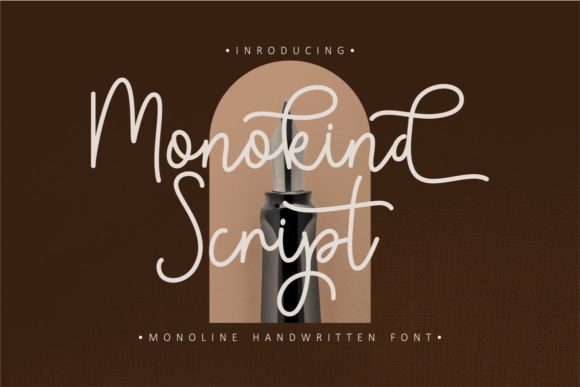
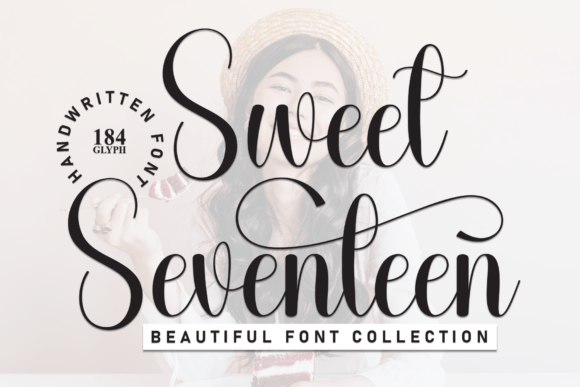
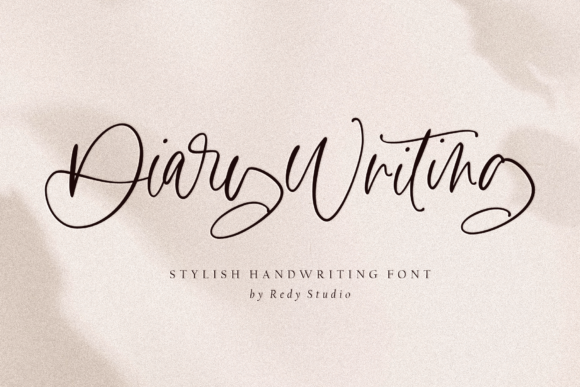
Diary Writing is a script font that feels both personal and polished. Its visual characteristics are defined by fluid, connected strokes that mimic the natural flow of a pen on paper. You’ll notice slight variations in line weight and a casual, slightly uneven baseline—these are the details that give it life. Unlike rigid, formal calligraphy, this handwritten font has a relaxed, approachable personality. It feels friendly, creative, and trustworthy. The overall appeal lies in its versatility; it can look playful on a child’s birthday invitation and elegantly personal on a boutique brand’s logo. It strikes a balance between artistic flair and clear communication, making it a standout creative font.
Where Diary Writing Truly Shines
Understanding a font’s ideal applications is key to using it effectively. Diary Writing is a versatile script font with a wide spectrum of uses. Its strength lies in projects where you want to establish a personal, human, or artisanal connection.
- Branding and Identity: For small businesses, especially in niches like bakeries, craft studios, boutique retail, or personal coaching, Diary Writing can form the core of a warm and inviting brand identity. It works beautifully for logos, product labels, and packaging design where a handcrafted feel is a selling point.
- Editorial and Publishing: In magazines, blogs, and book covers, this typeface excels as a display font. Use it for pull quotes, chapter titles, or article headers to add a layer of personality and draw the reader’s eye. It contrasts effectively with clean body text from a serif or sans serif font.
- Marketing and Digital Content: Social media graphics, email headers, and website banners benefit immensely from a font with character. Diary Writing can make a promotional post feel less like an advertisement and more like a recommendation from a friend. It’s perfect for quotes, call-to-action buttons, or hero text on a landing page.
- Personal and Craft Projects: For hobbyists and crafters, the font is a game-changer. It’s ideal for creating custom greeting cards, wedding invitations, scrapbook elements, and personalized stationery. The fact that it is PUA encoded means all the decorative swashes and alternate glyphs are easily accessible, allowing for endless customization.
Making Informed Design Choices with a Script Font
Choosing a font like Diary Writing is just the first step. Using it effectively requires a thoughtful approach to design principles. It’s a tool, and like any tool, its impact depends on how you wield it.
Pairing for Visual Harmony
A handwritten font rarely works well for long paragraphs of body copy. Its primary role is as a display or accent font. The key to professional typography is pairing. Combine Diary Writing with a simple, highly readable sans serif font (like Open Sans or Lato) or a classic serif font (like Georgia or Merriweather). The contrast between the expressive script and the neutral body text creates a clear visual hierarchy, guiding the reader’s attention and improving overall readability.
Evaluating Fit and Readability
Before committing, always test the font in context. Set your headline or logo text at the intended size. Is it legible at a glance? Some script fonts can become difficult to read at smaller sizes or on low-resolution screens. Check the font’s character set. A quality premium font like Diary Writing will include multiple styles—perhaps a regular, bold, or italic version—along with those essential swashes and alternates. Review the licensing as well. For any commercial project, from a client’s logo to a product you sell, you need a commercial license that permits such use.
Ultimately, Diary Writing is more than just a handwritten font. It’s a strategic choice for anyone looking to inject authenticity and warmth into their visual communication. By understanding its personality, applying it to the right projects, and pairing it thoughtfully, you can leverage this typeface to build stronger brand recognition, create more engaging content, and connect with your audience on a genuinely human level. It’s a versatile piece of the modern typography puzzle, ready to bring your words to life.